
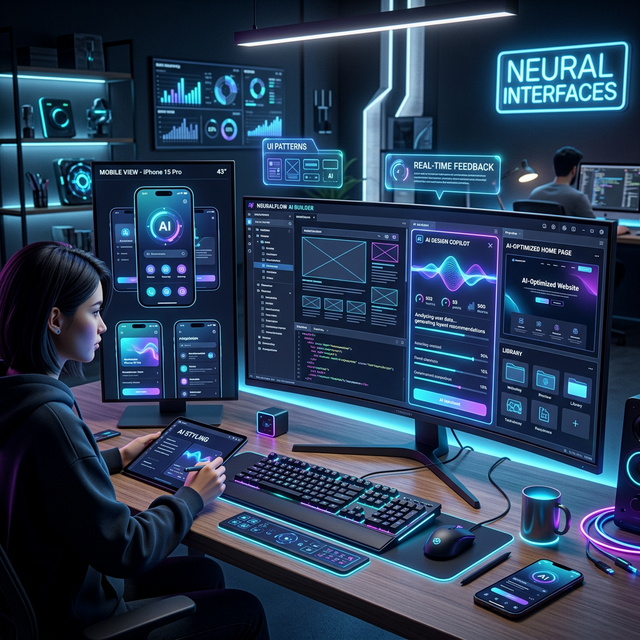
The Evolution of Digital Interfaces in 2026
As we advance deeper into a mobile-first, hyper-connected digital landscape, consumer patience has effectively dropped to zero. In 2026, a website is no longer merely a digital brochure—it must function as a rapid, predictive, and intensely immersive digital environment. Legacy websites utilizing static block layouts and stock imagery are actively polarizing modern audiences, immediately driving potential high-value clients toward competitors who invest in state-of-the-art UI/UX architectures.
Modern consumers evaluate a brand's entire operational capability based entirely on their digital first impression. If a website looks visually dated, the immediate psychological assumption is that the company's services, security protocols, and customer support are equally obsolete. Understanding and implementing the most aggressive design trends is no longer a luxury for enterprise operations; it is a fundamental requirement for basic digital survival and lead generation.
Artificial Intelligence as a Native UI Layer
The most disruptive trend dominating this year is the seamless integration of Artificial Intelligence not just in the backend, but directly within the user interface. Predictive design now allows websites to physically shift their layout, featured products, and even color theory based entirely on the specific user’s past behavior, geographic location, and precise time of day. This hyper-personalization creates an immediate, bespoke connection, dramatically increasing dwell time and scaling conversion rates organically.
Furthermore, AI is fundamentally altering accessibility and real-time translation. A single, unified codebase can now dynamically restructure its typography, contrast ratios, and entire linguistic delivery to perfectly match the precise needs of the browser accessing it. By guaranteeing that every single user receives a flawless, tailored experience, brands are actively dismantling the friction that previously choked global lead generation pipelines.
Immersive Scrolling and Micro-Interactions
Static pages are dead. 2026 demands dynamic storytelling executed through immersive, parallax-driven scrolling environments. By triggering micro-animations—subtle visual feedback when a user hovers over a button or scrolls past a crucial data point—brands can actively guide the consumer's psychological journey down the sales funnel. These frictionless, micro-interactions replace heavy, bloated video files, ensuring the site remains lightning-fast while feeling incredibly alive and tactile.
The strategic deployment of "scrollytelling" transforms a boring product specification page into an engaging, multi-dimensional narrative. As the user pulls down the page, 3D elements construct themselves, data points render dynamically, and the brand's core value proposition is slowly revealed. This psychological engagement effectively traps the user's attention, significantly lowering bounce rates and forcing them to consume the entire marketing message.
The Absolute Dominance of Dark Mode & Neo-Brutalism
From an aesthetic standpoint, user preference has aggressively shifted. Deep, OLED-optimized Dark Mode is now an expected standard, reducing eye strain while making neon accent colors and high-fidelity product imagery aggressively pop off the screen. Simultaneously, 'Neo-Brutalism'—characterized by stark, asymmetrical layouts, exposed grid lines, and raw, high-contrast typography—is being heavily utilized by cutting-edge brands to project raw authenticity and disrupt bland corporate aesthetics.
This stylistic rebellion against the clean, sterile "corporate Memphis" look of the past decade is specifically designed to command attention in an overcrowded market. By utilizing harsh drop shadows, visible structural borders, and intense, unapologetic color palettes, Neo-Brutalism forces the user to actively engage with the interface. It signals that the brand is bold, modern, and entirely unafraid to break the established rules of digital engagement.
Speed Functioning as the Ultimate Aesthetic
Above all visual trends, technical velocity remains king. With Google strictly enforcing advanced Core Web Vitals, a visually stunning website that stutters during load sequences is practically invisible. Modern web development must utilize advanced edge-network delivery and headless CMS architectures to guarantee that complex, immersive interfaces render flawlessly and instantly across 5G mobile networks.
The most beautiful UI in the world generates exactly zero ROI if the user abandons the tab before the hero image loads. Therefore, the ultimate design trend for 2026 is the total convergence of breathtaking aesthetics and ruthless, uncompromising performance optimization. Designers and developers are now working in absolute lockstep to ensure that massive video backgrounds and complex WebGL animations execute without dropping a single frame or triggering a layout shift.
VISHAL WEB TECH CTA: How We Help to Grow Your Business
Is your current website failing to generate leads? At Vishal Web Tech, we specialize in transforming digital landscapes for growing businesses. We don't just build websites; we engineer comprehensive digital growth engines.
- Custom & Responsive Design: Websites that look stunning and function flawlessly on any device—mobile, tablet, or desktop.
- SEO-Optimized Architecture: We build with best practices out of the box so you start climbing search rankings on day one.
- E-Commerce Solutions: Secure, scalable, and high-converting online stores tailored to your specific product lines.
- Ongoing Maintenance & Support: We ensure your site remains secure, updated, and performing at peak speeds 24/7.
Stop settling for mediocre digital performance. Partner with industry experts to elevate your brand, capture more leads, and dominate your market. Contact Vishal Web Tech today to schedule your free consultation and discover how we can accelerate your business growth!